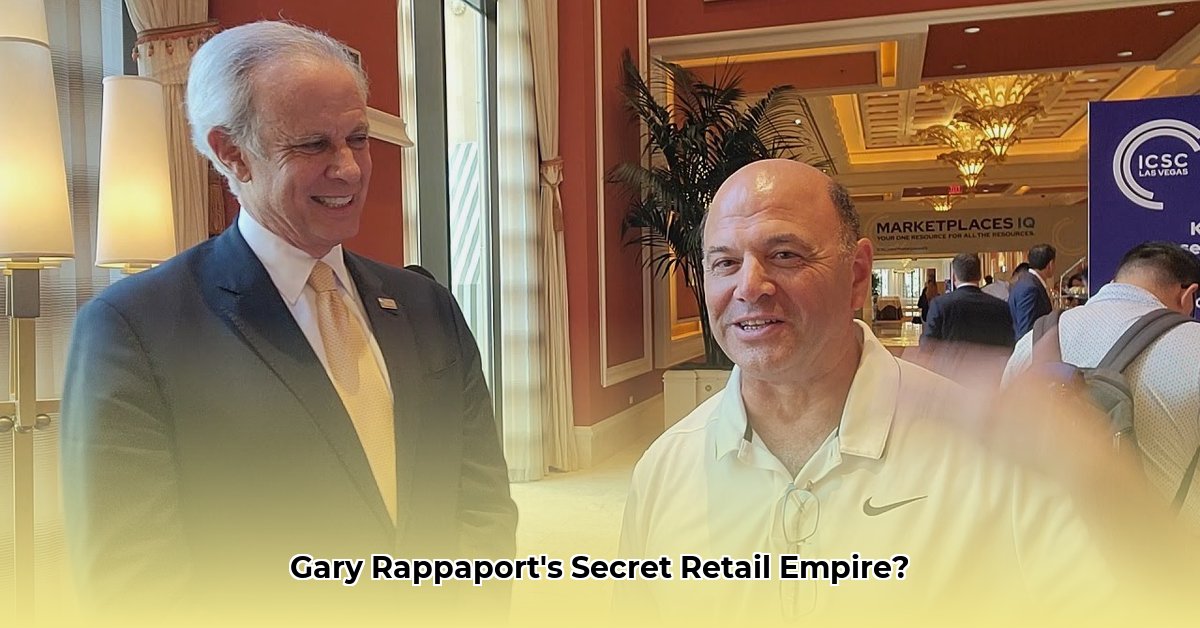
Gary Rappaport: A Retail Real Estate Dynasty
Gary Rappaport isn't just a name in Washington, D.C. retail; he's a legend, a quietly influential figure who, over four decades, has built a substantial real estate empire. While the precise figure of his net worth remains undisclosed—a common practice among successful entrepreneurs—his journey offers invaluable lessons in strategic investment and adaptable leadership in the ever-evolving world of retail. This isn't about the numbers; it's about the how. It's about deciphering the strategies that have propelled him to remarkable success.
Early Career: Building the Foundation
Rappaport's path to success wasn't an overnight sensation. His early career, while details remain relatively scarce, undoubtedly laid the essential groundwork. He meticulously honed his skills in negotiation, market analysis, and risk assessment—critical components in his later triumphs. He likely started modestly, perhaps with smaller projects, gradually building his reputation and expertise. This reputation, founded on trust and proven competence, became his most valuable asset. He wasn't simply acquiring properties; he was cultivating relationships.
How did his early experience contribute to his later success? His early work likely instilled in him a deep understanding of market dynamics and tenant relationships — crucial elements later used in bigger projects.
Strategic Acquisitions and Recapitalizations: The Art of the Deal
Rappaport's approach transcended mere property acquisition; he saw untapped potential where others saw only bricks and mortar. His strategy—a blend of acquiring undervalued properties and skillfully recapitalizing them—lies at the heart of his success. Each acquisition was a calculated move, a strategically placed piece in a larger, long-term vision. He didn't rush into deals; he carefully weighed his options, ensuring long-term profitability. He meticulously researched markets, identifying properties poised for transformation, and leveraged his negotiation skills to secure them at advantageous prices.
What was the key to Rappaport's acquisition strategy? Meticulous market research, identifying properties with high growth potential, and leveraging negotiation skills to achieve favorable prices.
Navigating the E-commerce Tide: Adaptation and Innovation
The rise of e-commerce presented a significant challenge to traditional retail. Many faltered; some failed. Yet, Rappaport not only survived but thrived. Instead of resisting the wave, he adapted, strategically shifting from solely shopping centers to vibrant community hubs incorporating mixed-use developments. He understood that retail was evolving, transforming from a simple transaction to an engaging experience. This forward-thinking approach wasn't merely reactive; it predicted the changing demands of consumers.
What key adjustments did Rappaport make in response to e-commerce's impact? He shifted towards mixed-use developments, creating vibrant community hubs, ensuring that his properties offered a holistic experience beyond simply shopping.
The Power of Partnership: Collaboration for Success
Rappaport's achievements don't solely stem from individual brilliance. He's a master collaborator, forging strong alliances with investors, developers, and government agencies. This collaborative approach unlocked opportunities he might not have achieved independently and mitigated risks through shared burdens. His involvement in extensive projects demonstrates his ability to cultivate strong relationships, bringing diverse perspectives and expertise together. Collaboration not only enhanced project outcomes but also built a robust network, furthering his success.
How did strategic partnerships contribute to Rappaport's success? By leveraging diverse expertise and mitigating risk, partnerships unlocked opportunities and accelerated progress.
Mentorship and Legacy: Shaping the Future
Beyond his impressive portfolio, Rappaport's commitment to mentoring future generations of retail real estate leaders is noteworthy. He actively invests time and resources, highlighting his vision for sustainable, long-term growth in the industry. He’s not just building buildings; he's fostering the leaders of tomorrow. This aspect firmly establishes his legacy as influential beyond mere financial accumulation.
Conclusion: A Legacy Beyond Net Worth
While the exact sum of Gary Rappaport's net worth remains private, his impact is unmistakable. He is more than a successful entrepreneur; he’s a visionary leader who has shaped urban landscapes and inspired professionals. His true legacy extends far beyond a financial figure – it's woven into every project, every partnership, every life he's touched. His story isn't solely about wealth; it's about building lasting value and leaving a positive mark on the world.
Unlocking Wealth: Meet the Real Estate Billionaires
Beyond the flashy headlines of tech giants and Wall Street wizards, lies a realm of quiet, colossal wealth built brick by brick, skyscraper by skyscraper. The world’s richest real estate investors aren’t just buying properties; they’re shaping skylines, redefining neighborhoods, and creating empires out of concrete and steel. These are the visionaries who see potential where others see empty lots, transforming forgotten corners into thriving commercial hubs or luxurious residential paradises. Their portfolios span continents, encompassing everything from iconic hotels and bustling shopping malls to sprawling industrial parks and cutting-edge data centers, each asset a testament to their strategic foresight and unwavering belief in the power of physical space.
What sets these real estate titans apart isn’t merely the size of their balance sheets, but their uncanny ability to anticipate market shifts, identify undervalued assets, and execute deals that reshape entire urban landscapes. They understand that real estate is more than just land and buildings; it’s about location, timing, and the intricate dance of supply and demand. With a keen eye for development, a profound understanding of economic cycles, and an often audacious willingness to invest massive capital, they navigate complex regulatory environments and ambitious construction projects. Their success is a powerful illustration of how long-term vision, calculated risk-taking, and an unwavering commitment to strategic growth can unlock unparalleled wealth in the foundational industry of real estate.